

Explore the Torqevixes Learning Tracks
-
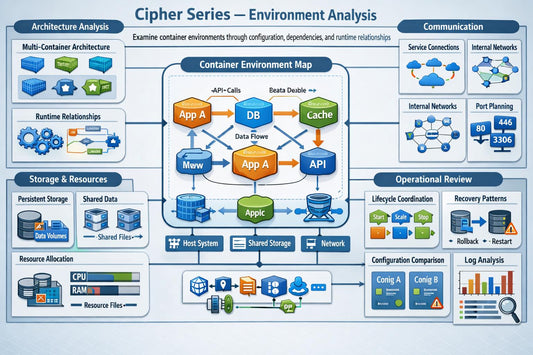
Cipher Series
Regular price €249,00 EURRegular price -
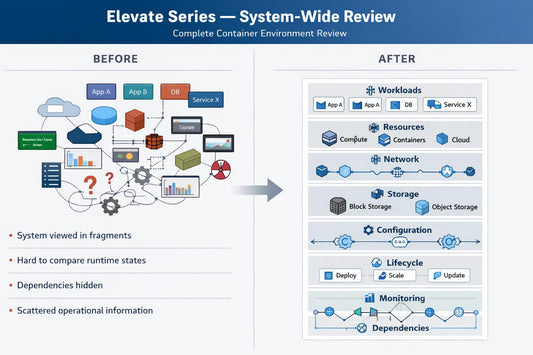
Elevate Series
Regular price €301,00 EURRegular price -
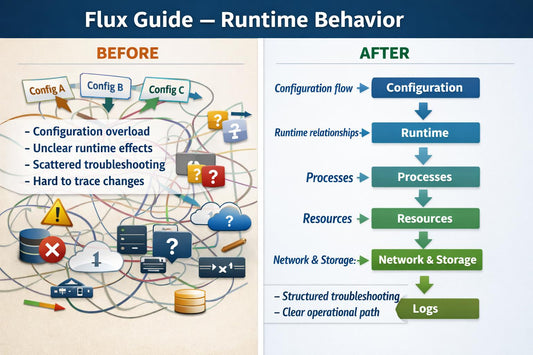
Flux Guide
Regular price €174,00 EURRegular price -
-
-
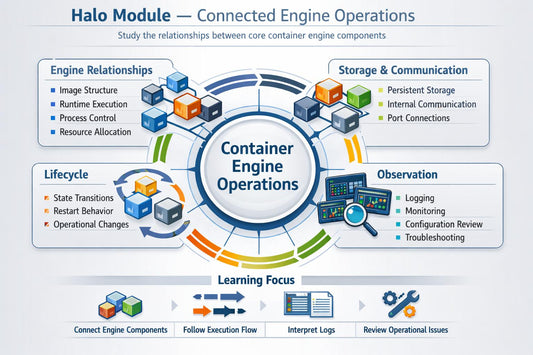
Halo Module
Regular price €195,00 EURRegular price -
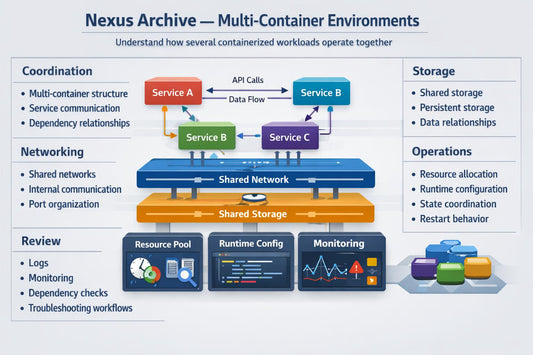
Nexus Archive
Regular price €220,00 EURRegular price -
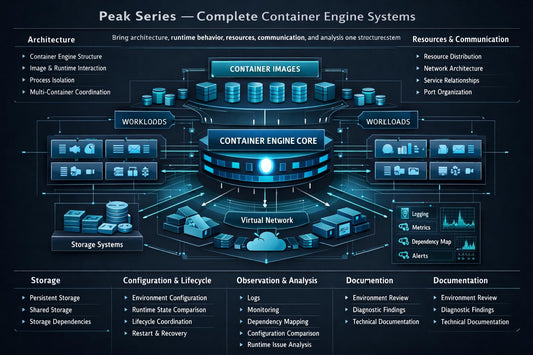
Peak Series
Regular price €488,00 EURRegular price








Built From Curiosity About How Systems Move
More Structure for Complex Container Concepts
-

Clear Structure
Lessons follow an organized sequence that connects foundational ideas with broader container engine relationships.
-

Practical Context
Each topic is explained through realistic technical scenarios that show how container components interact.
-

Connected Learning
The materials link runtime, storage, networking, resources, and lifecycle concepts into one structured learning path.
-

Flexible Study
Downloadable course materials support self-paced learning and can be reviewed offline when convenient.


30-days refund guarantee
The People Behind the Modules
-

William Maddox
Container Storage Engineer
William works with persistent storage, temporary data, and storage relationships in container environments. He examines how data is organized across container lifecycle changes. His work also includes reviewing storage dependencies and attachment structures.
-

Jinny Hartwell
Container Configuration Specialist
Jinny focuses on runtime settings, environment configuration, and container behavior. She studies how configuration choices affect resources, communication, and workload execution. Her work includes comparing settings and documenting configuration relationships.
-

Derek Halver
Container Runtime Engineer
Derek works with container runtime structures, process behavior, and workload execution. He studies how isolated environments use system resources during operation. His work also includes reviewing runtime states and configuration relationships.


Building Clarity Around Containerized Systems
As follows on


Notes From the Learning Journey
-

Phil Ridley
Phil came with a basic understanding of containers but found it difficult to connect image structure, networking, and storage into one clear model. He had previously studied these topics separately and wanted a more organized way to review how the components interact.
The structured course sequence was useful because it connected each topic to the next and showed how individual container concepts fit into broader workflows.
“Seeing the topics arranged as one connected system made the material much easier for me to follow.”
-

Helen Harts
Helen started with introductory knowledge and wanted a clearer path through containerization engines without jumping immediately into advanced topics. She found areas such as process isolation, storage relationships, and multi-container communication difficult to place within a wider technical structure.
The gradual format was useful because each section built on earlier material and introduced additional concepts in a clear sequence.
“The step-by-step organization helped me understand where each topic fits within the larger container environment.”


Begin With the Open Learning Set


